THE DOCTOR IS IN
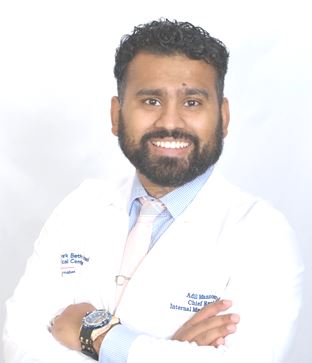
OP / ED BY DR. ADIL MANZOOR
A study involving 647 Danish one-year-olds has presented us with perhaps the most information about the gut microbiome of children. And, the findings of the study are pretty, well, interesting. The study showed about 10,000 new viruses in infant feces, which is a lot. Seriously, for context, consider that there are only about 1,000 bacterial species in the average child. Let’s consider this study and its implications in more detail.
From the study, scientists observed 10,000 viral species from 248 viral families. Interestingly, 93.5% of these viruses have not been identified before. In other words, only 16 of the 248 viral families were previously known.
Of the 10,000 viral species identified, about 90% of them were bacteriophages. This is a good sign, as bacteriophages are viruses that only attack and infect bacterial cells, leading to them being called “bacteria eaters.”
The fact that a vast majority of the viral species in children are bacteriophages suggests that these viruses may actually be useful to the body in a way. This makes sense when you think about it too, as the immune system of babies is far too underdeveloped to effectively cope with all the bacterial threats that come its way. However, with the number of bacteriophages residing in the gut, the infant gets much-needed aid when it comes to balancing out the bacteria in the gut.
I should mention that bacteria in the gut is not a bad thing – at all. In fact, the absence of some bacteria in the gut can lead to several serious health conditions. These bacteria are called “good bacteria” and they help to ensure that harmful bacteria don’t invade and colonize the gut. Still, a balance is needed to ensure there is no overload of these bacteria in the gut. Bacteriophages may help maintain this balance.
The remaining 10% of viruses in the guts of children attach themselves to human cells instead of bacteria, though. Now, this is where scientists start to worry. The study implies that at any point in time, the average child is infected with ten to twenty of these viruses. However, viruses do cause sickness. So, does that mean they are also good? Well, not exactly.
Scientists believe these viruses may be risk factors for diseases we don’t even know yet. Or, in simpler terms, these viruses may be responsible for some diseases to come. That’s not encouraging, to say the least. But that’s just speculation, and because there is so much we don’t know about these viruses, it is not surprising there are so many speculations.
With that out of the way, another question we need to ask ourselves is why there are so many viruses in babies’ guts in the first place. The hypothesis proposed to explain this is that, at the tender age of one, the immune system has not learned how to separate the “wheat from the chaff.” This means the immune system is not as adept as it should be in separating useful and harmful microorganisms. So, it may just allow the growth of so many microorganisms.
Authors of the study also believe the viruses may also be useful to protect against chronic diseases like asthma and diabetes later on in life. Furthermore, it is possible that the environment also plays a part in the high viral species load in the guts of babies. It is no secret that children often encounter microorganisms through various activities, like putting their hands in their mouths, eating their dirty toys, or straight-up eating sand.
Well, now that we know just how many viruses are in the guts of children, I believe the next step is finding what these viruses truly do in the body. Of course, that is much easier said than done, but that can seriously be the game-changer if some of these diseases we have not identified yet become an epidemic.
This article was written by Dr. Adil Manzoor, DO, a Board-Certified Internist & Board Certified Pediatrician who works as a Hospitalist and Emergency Room Physician. He is also the current President of Garden State Street Medicine, a non-profit organization whose sole purpose is to provide free preventive and acute urgent care services for the homeless. He is also the co-founder of his own unique medical practice, Mobile Medicine NJ & House call Doctors. He is also currently pursuing an Executive MBA and a Master’s of Science in Healthcare Leadership at Samuel Curtis Johnson Graduate School of Management and the Weill Cornell Graduate School of Medical Sciences.
References
- https://www.msn.com/en-us/health/medical/10-000-new-viruses-identified-in-babies-dirty-diapers-scientists/ar-AA1ahTG7
- https://www.washingtonpost.com/health/2023/04/23/babies-gut-diaper-study/