THE OBSERVATION BOOTH
OP / ED & PHOTO CREDITS ANDREA DIALECT
Lips Shut
Inhale. Exhale. That’s what she said to me.
This yoga instructor, by the way, happens to be my oldest daughter. During our sessions, it is the only time that she is allowed to boss me around. Focus on your breathing, Mommy, I’d been told last time.
But yesterday, as I was preoccupied by thoughts, those words came to me in a whisper. As I mulled such things over. The weight of it all, as so the wait for it all. That which has yet to be done and all unknowingly ahead, at that moment slowed my breath. Or was I holding it?
Focus on your breathing, Mommy, meant Mommy, focus on living just yesterday. So today I shall.
Shallow Breaths as a title is a dead on reminder. For me it places more emphasis on my breathing. One must not just breathe. One must breathe with intention to truly live. So to you I say, focus on yours. Live intentionally by monitoring those breaths. Let’s do this together because each and every inhale is another day to be amongst the living.
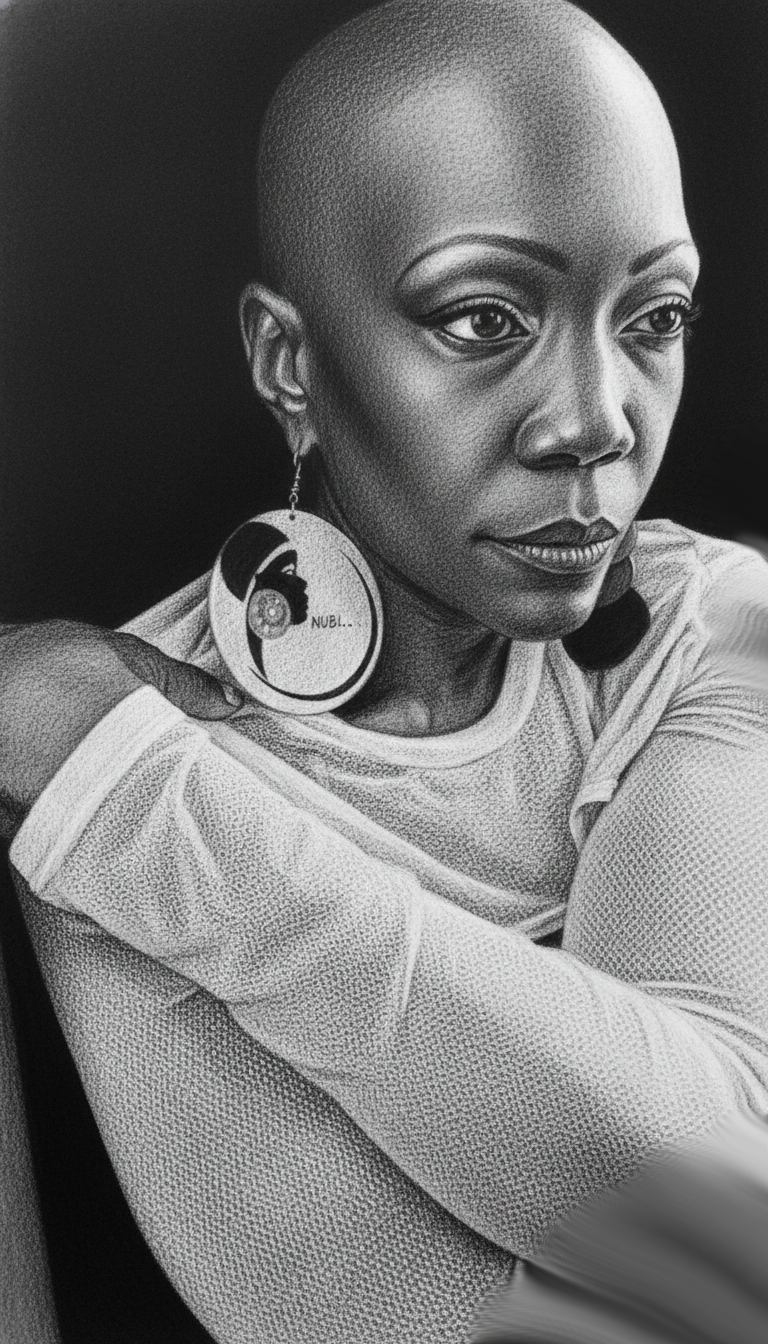
I took my daughter’s suggestions to the next level by doing a bit of research for a more strategically focused breathing style. Understanding the what’s and whys can be of much benefit, so I am told. So I had a talk with my boy AI. and I was quite impressed by what had been gleaned about that subject matter. Breath was spoken. I also had the opportunity to have a quick chat about such thangs with Queen Jackie. Here you find a quick peek into that convo and her photo. Enjoy!
Mouth Wide Open
As God wakes us up and blesses us with another merciful day, breathing techniques are very important for the mind, body, and soul. It helps with our development. Which tempers our stress, and anxiety, through calm transformation can occur.
When we wake up, our mind, body, and soul needs to be cleansed. We must be relaxed. No thinking or over thinking about anything or anyone. At that moment no thinking about how your day is going or should go. Think about being still each breath that you take. Inhale and exhale.
This helps with blood flow and brain stimulation. This is for all of your organs. Your heart, lungs, kidneys. The entire body.
Without air, we wouldn’t exist, so take your breaths on. A breathing technique that might be useful starts with inhaling slow and exhaling through the nostril and then out of the mouth and repeat. You can also do arm rotations forward and backwards, and neck movements to the right and up and down. You can also rotate your head in circles in slow motion to avoid dizziness.
I hope you enjoyed this little introduction of how the body lives through breath. Peace and blessings to you all.
Bottom of Form
YOU DID THAT…
Visit Localtalkweekly.com to read drafts in its entirety and check out the archives getting even more amazing content from the Entertainment section. While you’re at it, check out my fine artistry photography archives in support of my subjects that, while Lending Their Image To Change, become my muse and clay as supporting my experimental projects as molding them into Fine Artistry.
Also join me and the collective for my Facebook live as I develop daily “PORTAL” sessions. Follow my msdialect Instagram, and let’s grow out loud together! Like, follow, and share.
DID YOU KNOW THAT….
Breathwork is the intentional practice of using your breath to influence your body, emotions, and mind.
It’s one of the fastest ways to shift how you feel – without tools, talk, or effort beyond breathing.
At its core:
Change the breath → change the nervous system → change the state.
What Breathwork Does (Plain + Real)
When you control your breath, you directly talk to:
- your stress response
- your emotions
- your energy level
- your focus
- your body temperature (yes — those hot flashes too)
Breathwork can:
- calm anxiety or panic
- release stored emotion
- increase clarity and creativity
- help process grief or overwhelm
- ground you when your mind is racing
- energize you when you feel flat or numb
How It Works (Simple Science)
Your breath is the remote control for your nervous system.
- Slow, deep breathing → tells your body “I’m safe.”
- Fast, rhythmic breathing → activates emotion, release, and insight.
- Breath holds → build resilience and awareness.
It shifts you between:
- Fight / Flight (stress mode)
- Rest / Digest (healing mode)
Common Types of Breathwork
1. Calming Breathwork
For anxiety, hot flashes, overwhelm
- Slow inhales through the nose
- Longer exhales through the mouth
Example:
Inhale 4 → Exhale 6
2. Energizing Breathwork
For fatigue, fog, low mood
- Faster inhales
- Short, powerful exhales
(Think: gentle “wake-up” breathing)
3. Emotional Release Breathwork
For stored stress, grief, trauma, creativity
- Circular breathing (no pause)
- Often done lying down with music
- Emotions may surface, release, pass
This is the kind used in therapy, healing sessions, and transformation work.
4. Grounding Breathwork
For dissociation, numbness, overwhelm
- Inhale through the nose
- Pause
- Exhale slowly
- Feel the body, not the story
What Breathwork Is NOT
- Not meditation (though it can feel meditative)
- Not religious
- Not “woo” when done properly
- Not about forcing or controlling emotions
It’s about allowing the body to do what it already knows how to do.